A Complete Introduction to Tailored Produce Boxes: Elements, Styles, and More
Custom fruit and vegetable boxes play an vital role in the shipping of fresh fruits and vegetables. The choice of components, styles, and environmentally friendly options greatly impacts both preservation and presentation. Understanding these elements can improve brand differentiation and customer satisfaction. However, not all packaging options are created equal. Exploring the nuances of effective designs can reveal critical insights into optimizing freshness and appeal. What factors should one consider when selecting the ideal packaging?
How Custom Materials Helps Fresh Produce
Custom packaging constitutes a crucial element in the safeguarding and showcasing of fresh produce. It guarantees that fruits and vegetables stay undamaged during transportation, curtailing bruising and spoilage. This safeguarding capability is critical for maintaining the freshness and quality that consumers seek. In addition, custom packaging can boost the aesthetic appeal, making products more visually attractive to potential buyers. By incorporating unique designs and branding elements, businesses can differentiate their offerings in a saturated marketplace.
In addition, tailored packaging solutions can enhance shelf life through design elements such as air vents or humidity regulation, adjusting to the specific needs of various fruit and vegetable categories. This flexibility assists in minimizing waste, supporting sustainability goals. In the end, personalized packaging solutions serves both functional and marketing purposes, reinforcing brand identity while ensuring that fresh produce arrives at consumers in peak condition. As a result, committing to quality bespoke packaging is essential for producers seeking to elevate their products and satisfy consumer expectations.
Selecting the Appropriate Materials for Your Produce Boxes
Picking the appropriate materials for produce boxes is necessary for maintaining freshness and ensuring protection during transport. Sustainable options not only appeal to green-minded consumers but also boost brand reputation. Additionally, the durability of these materials plays a key function in preventing damage to items from damage.
Green Material Varieties
As companies increasingly focus on sustainability, deciding on the right components for produce boxes has become critical. Environmentally friendly options include recycled cardboard, which lowers waste and requires less energy in production. Biodegradable materials, such as cornstarch-based plastics, offer an alternative that breaks down naturally, minimizing environmental impact. In addition, bamboo and other rapid-growth plants serve as sustainable sources, providing robustness and long-lasting quality. These materials not only align with eco-conscious values but also address a growing consumer demand for sustainable methods. Companies can further enhance their sustainability by choosing soy-based inks and minimalistic designs, lowering the overall environmental footprint while maintaining an appealing aesthetic. Ultimately, selecting sustainable materials reflects a commitment to both quality and environmental responsibility.
Durability and Protection Factors
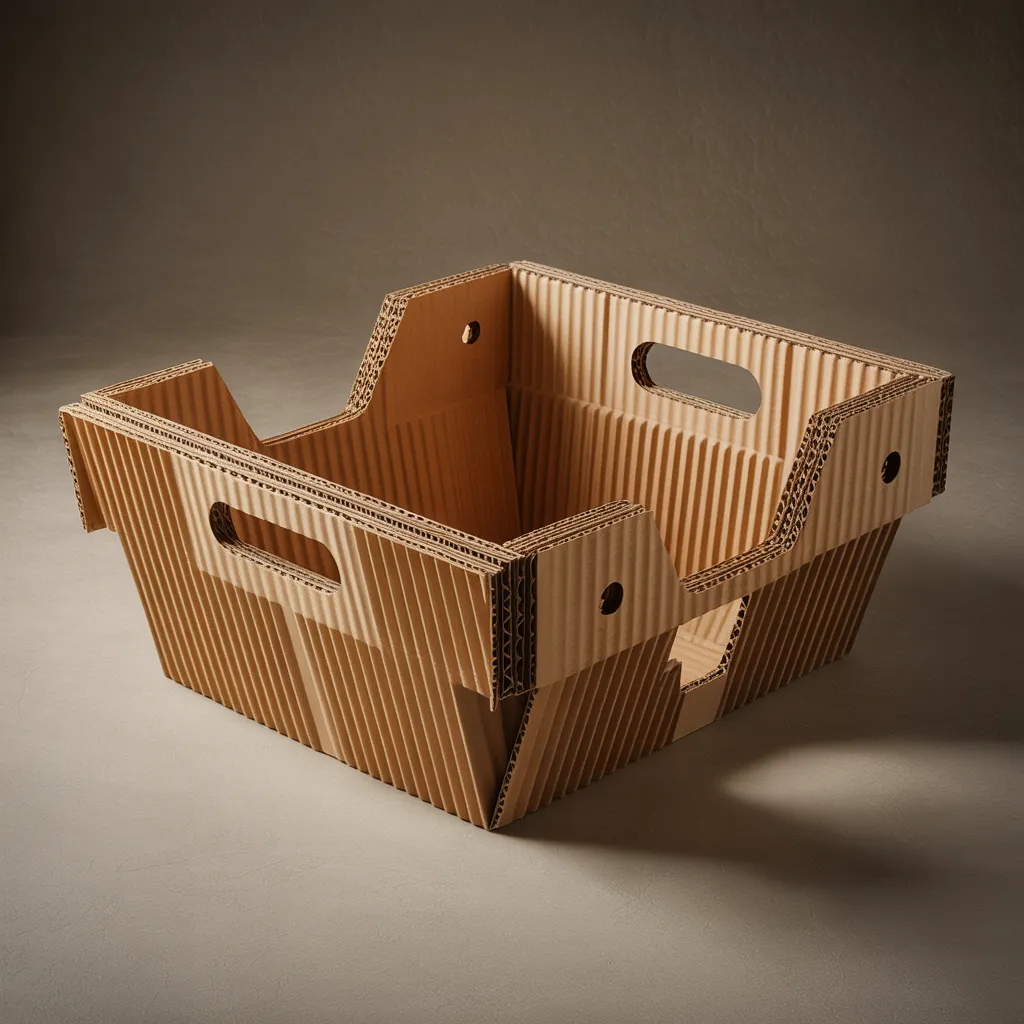
Determining ideal components for packaging units depends on strength and protection. Superior substances, such as corrugated cardboard or robust plastic, serve as a crucial element in preserving contents throughout transport and storage. Corrugated cardboard offers remarkable durability-to-weight balance, providing ample cushioning from impacts while maintaining lightweight. Conversely, plastic selections can be better protected to water and pests, increasing the longevity of the produce. Furthermore, incorporating features such as strengthened borders or ventilation holes can further protect the contents and maintain freshness. important information In essence, selecting the right materials assures that produce boxes not only withstand the challenges of the supply chain but also provide fresh undamaged products to consumers, thus enhancing client contentment and brand reputation.
Which Approaches Suit Best for Made-to-Order Produce Boxes?
When evaluating the perfect styles for custom produce boxes, it's essential to balance practicality with visual attractiveness. Several options excel for their effectiveness in showcasing items while guaranteeing safe transport.
The traditional open-sided box ensures outstanding ventilation, rendering it suitable for items that demand airflow, such as greens and vegetables. Conversely, the self-locking box design delivers simple setup and added protection, perfect for delicate produce.
For branding purposes, see-through boxes enable consumers to examine the contents, enhancing visual attractiveness and reliability. Also, stackable designs maximize storage optimization, benefiting retailers and consumers alike.
At the end, the addition of dividers within boxes helps maintain organization of various produce types, reducing damage during transport. By merging these approaches, companies can create custom produce boxes that not only safeguard the items but also attract customers through innovative design.
Eco-Friendly Alternatives for Green Packaging Materials
Custom produce boxes now rely on sustainable packaging methods that have become increasingly vital in their design. Manufacturers emphasize materials that minimize environmental impact while maintaining functionality. Recycled cardboard and biodegradable plastics are popular choices, because they cut down on waste and encourage a circular economy. These materials effectively preserve produce, making sure of freshness and quality during transport.
Additionally, water-based inks and adhesives are becoming increasingly popular, providing a safe option for production and assembly processes. The use of biodegradable substances additionally improves sustainability by allowing customers to get rid of packaging without contributing to landfill waste.
Moreover, minimalist designs aid in lowering transportation emissions, which makes the entire supply chain more eco-friendly. As consumer awareness of sustainability grows, brands are encouraged to use these eco-conscious options in their custom produce boxes, aligning with ethical practices and appealing to sustainability-focused customers. Such initiatives not only support the planet but also improve the brand's reputation.
Develop Graphics That Allow Your Produce Boxes to Differentiate
Guaranteeing produce boxes command awareness, effective visual design play an indispensable role. Eye-catching color schemes, unique typography choices, and participatory visual elements can greatly amplify visual allure. These constituents not only attract consumers but furthermore communicate brand identity with effectiveness.
Vivid Color Schemes that pop and captivate
When developing personalized vegetable packaging, selecting eye-catching color schemes plays an essential role in attracting customer focus. Vibrant colors can evoke emotions and communicate vitality, making them ideal for vegetable containers. Vivid emerald tones, rich reds, and golden tones are often associated with wellness and vitality, resonating with fitness-focused shoppers. Complementary color palettes can improve legibility and highlight key information, directing attention toward crucial elements such as product names or organic certifications. Additionally, incorporating seasonal colors can establish a feeling of immediacy and pertinence, encouraging impulse purchases. Ultimately, a well-thought-out color scheme not only enhances visual appeal but also reinforces brand identity, guaranteeing that the vegetable containers stand out in a competitive market.
Unique Type Design Picks
Typography serves as a strong tool in the design of custom produce boxes, where unique font choices can greatly enhance visual appeal and brand identity. By selecting distinctive typefaces, brands can convey their personality and values, setting themselves apart in a crowded market. For example, playful fonts might evoke a sense of fun and freshness, while elegant serif fonts can suggest premium quality. Additionally, the size and weight of typography play essential roles; bolder text can draw attention, while lighter fonts can create an airy feel. Proper alignment and spacing further contribute to the overall aesthetic, ensuring readability and impact. Ultimately, thoughtful typography choices can transform a simple produce box into a compelling marketing tool, effectively engaging consumers.
Interactive Design Elements
Distinctive font design choices lay a strong foundation for effective packaging design, but adding engaging interactive features can elevate custom produce boxes even more. These components captivate consumers and improve their experience, making the packaging unforgettable. Techniques such as QR codes can provide customers with additional product information, recipes, or promotional offers, fostering a connection between the brand and the consumer. AR technology features can convert a simple box into an immersive experience, captivating tech-savvy audiences. Textured surfaces and unique opening mechanisms also encourage tactile interaction, encouraging customers to explore the product inside. By integrating these interactive components, brands can develop produce boxes that not only safeguard the contents but also function as a dynamic marketing tool, enhancing overall appeal and customer satisfaction.
Maximizing Your Produce Box for Logistics
Optimizing a produce box for delivery entails numerous important points to confirm crispness and reduce waste. First, determining the proper materials is indispensable; corrugated cardboard is often selected for its toughness and protective barrier properties. Additionally, incorporating permeable designs helps balance water vapor and airflow, preventing spoilage.
Next, the internal layout must be carefully organized to minimize movement during transit. Employing separators or cushioning materials can keep fruits and vegetables secure, reducing bruising. Moreover, temperature control is critical; including gel packs or insulation can help maintain the ideal environment for perishable items.
Labeling is also significant, as thorough instructions on handling and storage can aid in preserving product quality. Finally, selecting an appropriate shipping partner ensures timely delivery, additionally improving freshness. By focusing on these factors, businesses can effectively improve their produce boxes for dependable and effective shipping.
Frequently Asked Questions
How Do I Confirm That My Produce Boxes Stay Protected?
To ensure produce boxes are tamper-proof, one should apply robust sealing solutions, incorporate tamper-evident labels, and pick sturdy materials. Frequently assessing packaging integrity also helps maintain product safety and consumer trust.
How Long Do the Average Lead Times for Bespoke Specialty Box Orders?
Typical lead times for custom produce box requests range from two to six weeks, depending on design complexity, materials, and manufacturer capacity. Timely communication with suppliers can help guarantee efficient processing and delivery.
Can a customer Able to Make Purchases for Low Quantities of Custom Produce Boxes?
Yes, small quantities of custom produce boxes can commonly be ordered. Many suppliers help with such requests, usually presenting threshold order amounts that meet businesses with limited needs or those testing out new delivery options.
Are there particular regulations concerning how to package fresh produce?
Yes, there are particular regulations for wrapping fresh fruits and vegetables, including safety protocols, label specifications, and material standards. These regulations guarantee food security, preserve quality, and provide essential details for shoppers regarding care and preservation.
What's the Best Way to Maintain Produce Crisp While In Transit?
To preserve product freshness in transit, one should apply thermal containers, control heat levels, provide proper ventilation, and select moisture-control substances. Regular observation during transport is imperative to minimize deterioration and boost storage duration.